Notes from The Gallery Director: July 2026.
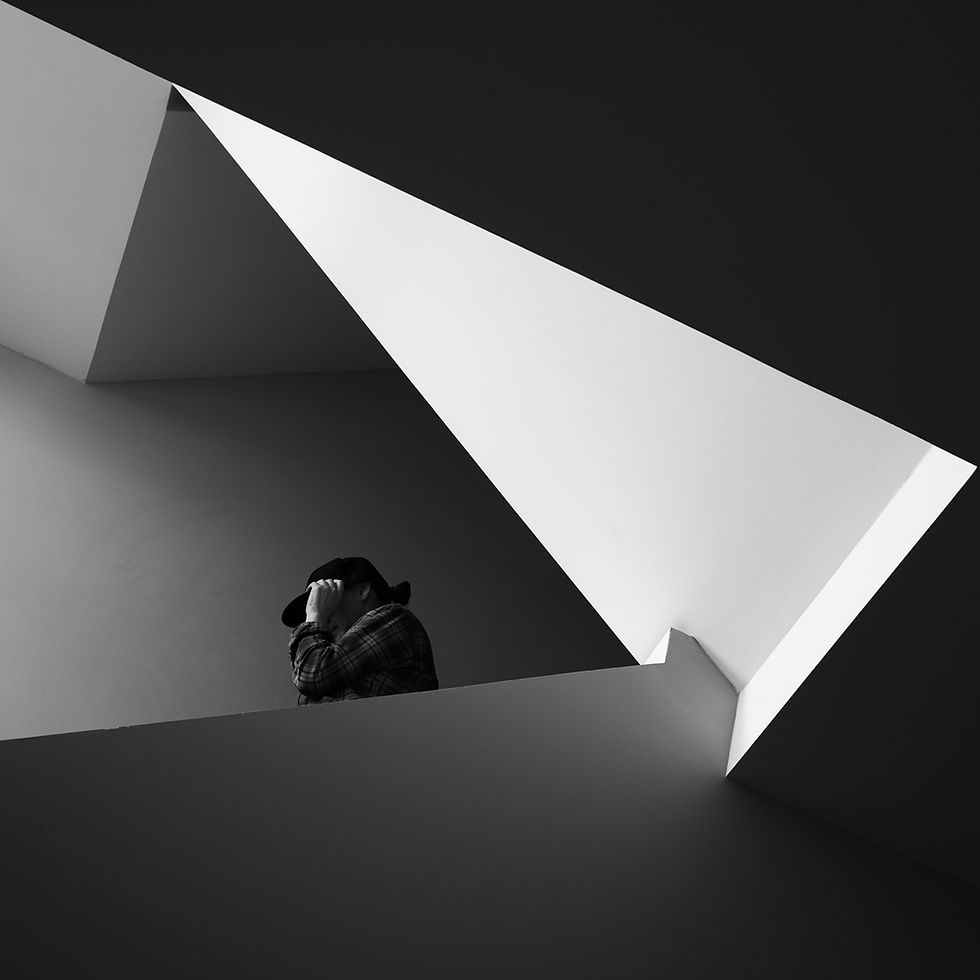
Every year, as we begin planning our exhibition programme, we try to create opportunities for photographers to explore different aspects of Photography. Some themes encourage storytelling, others celebrate people or places, while some invite photographers to slow down and look more closely at the world around them.
Our June exhibitions, Still Life / Found Objects and Monochrome, do exactly that.
At first glance, these two exhibitions may seem quite different. One focuses on objects, the other on colour—or perhaps more accurately, the absence of it. Yet both share something fundamental. They encourage photographers to strip photography back to its essentials and ask an important question: what makes an image compelling?
Still life has been part of artistic practice for centuries. Before photography existed, painters used carefully arranged objects to explore light, composition, symbolism and technique. Photography inherited that tradition, but also transformed it. Some of the first images ever photographed were of course Still life. Monochrome photography has always held a special place within the photographic community.
Although many people immediately think of black and white photography, monochrome is much broader than that. A photograph can be rendered in sepia, cyan, blue or any single tonal palette while remaining monochromatic. What matters is that the image relies on tone, contrast, texture and form rather than multiple colours.
Removing the colours changes the way we read a photograph.
Without colour competing for our attention, our eyes naturally gravitate towards light, shadow, and atmosphere. Images often become quieter, timeless and, in many cases, invoke more emotion.
It is one of the reasons our Monochrome exhibition continues to be one of our most popular open calls. Every year we are amazed by the incredible diversity of work submitted despite there being only one creative restriction.
One of the greatest pleasures of running the Glasgow Gallery of Photography is seeing submissions arrive from around the world.
Both exhibitions welcome photographers at every stage of their journey, from those exhibiting for the very first time to experienced professionals. We regularly receive work from across Scotland, throughout the UK and from photographers representing dozens of countries, each bringing their own perspective to a common theme.
It reminds us that photography is universal.
This month, the Glasgow Gallery of Photography presents two compelling exhibitions, Nature and Future Days.

Nature Photography is going to celebrates the diversity and beauty of the natural environment, showcasing how photographers capture landscapes, wildlife, and quiet moments in the outdoors with sensitivity and creativity. Alongside this, Future Days invites a more conceptual and abstract exploration, encouraging artists to imagine what lies ahead—whether through technological change, environmental futures, social evolution, or purely imagined worlds. Together, these exhibitions create a thoughtful balance between observation and imagination, grounding us in the present while also looking forward to what may come.
I sincerely hope photographers and visitors to the gallery enjoyed Junes exhibitions and I hope you enjoy what is to come in July.
As always thanks to everyone who submits to, Participates in and views our exhibitions.
Gallery Director
Michael McCann

Comments